Winter can be tough on both cars and bikes. Cold temperatures don’t just make driving uncomfortable—they can damage engines, drain batteries, thicken oils, and reduce overall performance. Whether you own a car or a bike, taking a few smart steps in winter can save you money, prevent breakdowns, and extend your vehicle’s life.
Use a Quality Car or Bike Cover
A good cover acts like a winter jacket for your vehicle.
- Choose weatherproof, insulated covers
- Make sure the cover is breathable to prevent moisture buildup
- For bikes, use full-body covers that protect the chain and exhaust
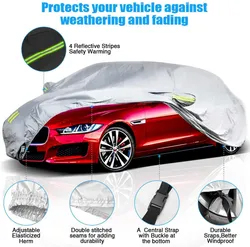
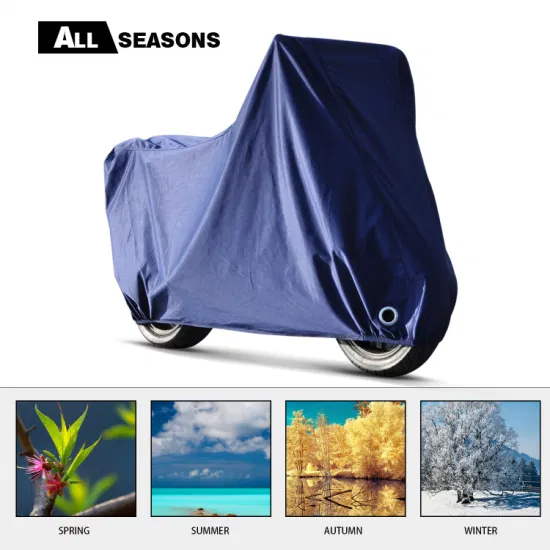
This simple step prevents frost, rust, paint damage, and frozen seats.
Shelter Makes a Big Difference
The simplest way to protect your vehicle in winter is where you park it.
- Use a garage if possible. Even an unheated garage protects your car or bike from freezing winds.
- If a garage isn’t available, park near a wall or building to block cold air.
- Avoid parking under trees—snow and ice can fall and damage paint or mirrors.
Start the Engine Gently (Don’t Rush It)
Cold engines need time to warm up properly.
- Start the engine and let it idle for 30–60 seconds
- Avoid sudden acceleration immediately after starting
- For bikes, allow the engine oil to circulate before riding
Modern engines don’t need long warm-ups, but gentle driving at first is essential.
Use the Right Engine Oil for Winter
Cold weather thickens oil, making it harder for engines to run smoothly.
- Switch to winter-grade or synthetic oil
- Follow the manufacturer’s recommended oil viscosity
- Regular oil changes are even more important in winter
- Don’t let your vehicle run out of oil, check you oil regularly
Proper oil keeps engine parts lubricated and reduces wear in cold starts.
Take Care of the Battery
Batteries are one of the first things to fail in winter.
- Cold weather reduces battery power
- Clean battery terminals to ensure proper connection
- Drive regularly so the battery stays charged
- For bikes, consider removing the battery if not used often
- Never travel so far without checking your battery’s charge
Pro tip: A weak battery should be replaced before winter begins.
Keep Tires in Good Shape
Cold temperatures reduce tire pressure.
- Check tire pressure weekly
- Inflate tires to the recommended level
- Use winter tires if you live in snowy or icy regions
- For bikes, avoid riding on under-inflated tires
- You can use a raincoat for a motorbike, or bikes in rainy weather
Proper tire pressure improves grip, fuel efficiency, and safety.
Protect Fuel and Fluids
Winter can affect fuel systems and fluids.
- Keep the fuel tank at least half full to prevent condensation
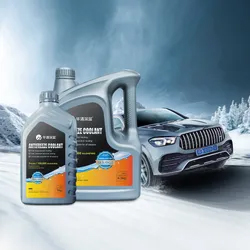
- Use antifreeze or coolant designed for cold temperatures
- Check brake fluid and windshield washer fluid regularly
For bikes, fuel stabilizers help if the bike is parked for long periods.
Prevent Rust and Corrosion
Moisture and road salt can cause serious rust issues.
- Wash your car or bike regularly in winter
- Dry it properly after washing
- Apply wax or anti-rust spray
- Lubricate bike chains and metal parts
This is especially important in areas with rain, snow, or salted roads.
Keep Interiors Warm and Dry
Cold and moisture can damage seats and electronics.
- Use seat covers in winter
- Keep the interior dry to prevent mold
- Use rubber floor mats to block water and mud
For bikes, cover the seat and control switches properly.
Drive and Ride Less Aggressively
Winter driving requires patience.
- Avoid sudden braking or sharp turns
- Ride bikes at lower speeds
- Be extra careful in the early morning and late night when frost is strongest
Smooth driving protects both you and your vehicle.