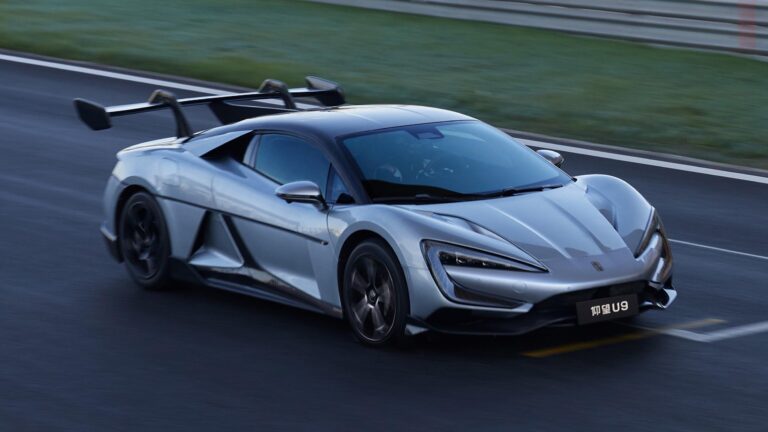
Best Affordable Cars in 2026: Top Value Picks for Enthusiasts
The new-car landscape in 2026 is shaped by stabilizing inventories, improving incentives, and an expanding roster of efficient hybrids and genuinely attainable EVs. For car lovers, that means more ways to get engaging dynamics, modern tech, and low running costs without overspending. This guide highlights the best affordable cars in 2026 across sedans, small SUVs, hybrids, and entry EVs—along with real-world cost math and buying tactics to help you win a better deal.
What “affordable” means in 2026
Affordability varies by region and incentives, but a practical frame for 2026:
- Compact/entry sedans and hatchbacks: under $28,000
- Small SUVs/crossovers: under $30,000
- Entry EVs: under $35,000 before incentives (many buyers will pay less after credits/rebates)
Beyond price, judge value by five-year total cost of ownership (TCO): depreciation, fuel/energy, insurance, maintenance, and financing. For many shoppers, TCO—not sticker price—decides whether a car is truly affordable.
Best affordable sedans and hatchbacks
These models deliver strong MPG, modern safety tech, and enjoyable driving manners without premium pricing.
- Toyota Corolla: A perennial value leader with excellent reliability, strong safety suite, and 34–40 mpg combined depending on trim and powertrain. The ride is settled, the cabin is quiet for the class, and resale remains among the best keys for low TCO.

- Honda Civic: A benchmark for chassis balance and steering feel, the Civic adds a polished interior and high resale value. If you enjoy back-road poise without sacrificing comfort, it’s a standout. Expect slightly higher pricing than some rivals but strong long-term value.

- Hyundai Elantra: Generous feature content, long warranty, and efficient base engine make the Elantra a budget hero. The driver-assistance tech is competitive, and ownership costs are typically low. If you rack up miles, the fuel savings add up fast.
- Mazda3: For enthusiasts who prioritize road feel and refinement, the Mazda3 brings near-premium materials and engaging dynamics. It can cost more than a Corolla/Elantra, but the experience punches above its class. AWD availability adds four-season confidence.

- Subaru Impreza (hatch): Standard AWD, practical cargo space, and easy manners make it a smart pick for snow-belt drivers. Fuel economy trails the class slightly, but winter traction and resale help counterbalance.

Owner snapshot: Alex, a weekend canyon runner, cross-shopped the Civic and Mazda3. He chose a Mazda3 2.5 for steering precision and cabin quality, noting only a small mpg penalty versus the Civic on his mixed commute.
Best affordable small SUVs
- Hyundai Kona (gas): Roomier and more tech-forward in its latest generation, the Kona drives confidently and rides well for city duty. Value-packed trims and warranty coverage are highlights.
- Kia Seltos: Strong value, user-friendly tech, and a comfortable ride make the Seltos a family favorite. The available driver assists are well-tuned, and interior storage solutions are thoughtful.
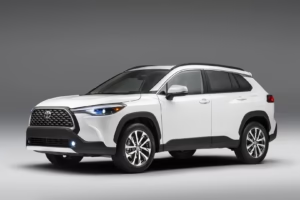
- Toyota Corolla Cross: Efficient, calm, and easy to live with. It’s not the sportiest, but it’s efficient and straightforward with Toyota’s solid safety suite. The Hybrid variant is worth a look if you want better mpg.
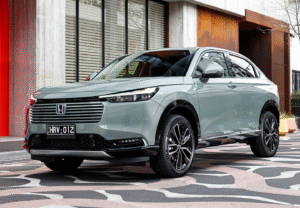
- Honda HR-V: Upscale cabin feel for the price, predictable handling, and Honda’s reliability reputation. It’s not the quickest, but day-to-day refinement is excellent.
Best affordable EVs in 2026
EV affordability improves in 2026 thanks to expanding incentives and more entry models. Always verify federal and state credit eligibility based on the build location and your tax situation.
- Chevrolet Equinox EV: One of the most compelling budget-friendly EVs, with a competitive range, spacious cabin, and modern driver assists. Pricing targets have undercut many competitors, and eligible buyers may secure federal tax credits.
- Chevrolet Bolt (next-gen): GM has announced the Bolt’s return with updated battery tech. If it lands as expected, it could be among the least expensive new EVs with practical range—ideal for commuters who want minimal fuel and maintenance costs.
- Hyundai Kona Electric: Urban-friendly size, smooth ride, and solid real-world efficiency. Even where federal credits don’t apply, regional rebates and competitive leases often make it pencil out.
- Nissan Leaf (where available): A low entry price and simple ownership experience make the Leaf attractive for short commutes. Note that its charging standard and DC fast-charging speed trail newer rivals—best for home charging and predictable routes.
Tip: If new EV pricing is still a stretch, look at nearly new off-lease EVs. Depreciation can be steep early, putting two- or three-year-old cars within reach while you still enjoy a sizable portion of the battery warranty.
Hybrids: the 2026 sweet spot
Hybrids often deliver 45–55 MPG, low maintenance, and long range with no charging logistics—perfect bridges to electrification.
- Toyota Corolla Hybrid: Familiar Corolla comfort with stellar mpg and Toyota’s robust hybrid track record. A top TCO pick.
- Hyundai Elantra Hybrid: Excellent fuel economy, long warranty, and approachable pricing. Often overlooked and worth test driving.
- Toyota Prius: If pricing fits your budget, the latest Prius blends high efficiency with genuinely enjoyable dynamics—no longer just an appliance.
Case studies: five-year cost-of-ownership math
Assumptions below are illustrative (verify local energy costs, fuel prices, incentives, and your usage):
- Annual miles: 12,000 (60,000 over five years)
- Gas price: $3.50/gal
- Home electricity: $0.15/kWh; public fast charging: $0.35/kWh
- Insurance not included (varies widely). Depreciation varies; Japanese compacts typically retain value well.
Scenario A: Toyota Corolla (gas)
- Combined mpg: ~34
- Fuel over 5 years: 60,000 / 341,765 gallons x $3.50 ≈ $6,178
- Maintenance (oil, filters, fluids, brakes): ≈ $1,800
- Fuel + maintenance ≈ $7,978
Scenario B: Chevrolet Equinox EV
- Efficiency: ~3.0 miles/kWh
- Energy over 5 years: 60,000 / 3.0 = 20,000 kWh
- Assume 80% home, 20% public:
- Home: 16,000 kWh x $0.15 = $2,400
- Public: 4,000 kWh x $0.35 = $1,400
- Energy total: ≈ $3,800
- Maintenance (tires, cabin filters, brake wear is low): ≈ $900
- Energy + maintenance ≈ $4,700
Purchase price lens (illustrative):
- Corolla transaction price example: ~$24,000
- Equinox EV transaction example: ~$35,000 before incentives
- If you qualify for a $7,500 federal credit, the net EV price ≈ $27,500; some states add ~$2,000 rebates.
Putting it together:
- Corolla fuel + maintenance advantage vs EV: none; EV saves ≈ $3,278 over 5 years ($7,978 – $4,700)
- Net purchase difference after federal credit: ≈ $3,500 in favor of Corolla ($27,500 vs $24,000)
- Bottom line without state incentives: near break-even over five years
- With a $2,000 state rebate, EV pulls slightly ahead over five years
Key takeaways:
- If you road-trip often with limited charging access, a hybrid/efficient ICE may still be best.
- If you have home charging and commute daily, EV operating costs can offset higher sticker prices—especially with credits.
Buying smart in 2026: deal strategies
- Time your purchase: Look for model-year changeover periods and month/quarter ends when dealers chase volume targets.
- Separate the deal components: Negotiate price, trade-in, and financing independently. Pre-approve a loan to avoid rate surprises.
- Stack incentives: Combine OEM rebates, loyalty/conquest offers, and (for EVs) federal/state credits. Some point-of-sale credits reduce upfront cost immediately.
- Focus on must-have safety/tech: Standard automatic emergency braking, blind-spot monitoring, and adaptive cruise add real value. Don’t overpay for features you won’t use.
- Think resale: Corolla/Civic-class leaders typically retain value better than niche models. Strong resale lowers your real cost.
The bottom line
For 2026, car lovers on a budget don’t have to compromise. The Corolla, Civic, Elantra, Mazda3, and Impreza lead among fun-yet-frugal compacts. The Kona, Seltos, Corolla Cross, and HR-V deliver practical SUV versatility for less. Hybrids hit the sweet spot for efficiency without charging, and entry EVs like the Equinox EV—and the returning Bolt—make electric ownership attainable, especially with incentives. Use TCO math, verify credits, and shop smart at the right time to get the most performance and value for your money.